
Marimbas
Filter:
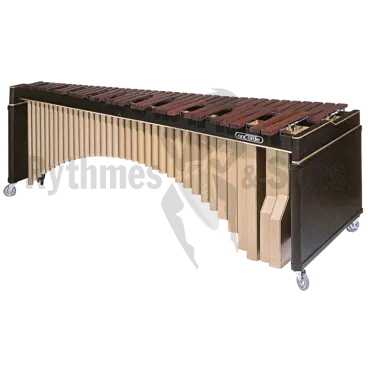
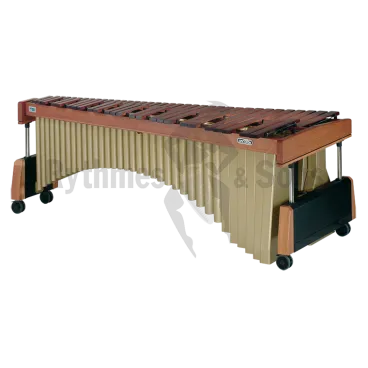

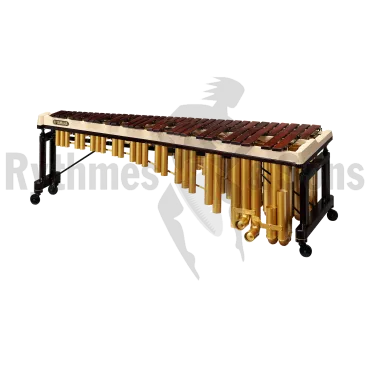

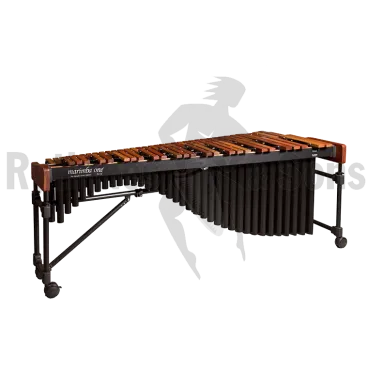
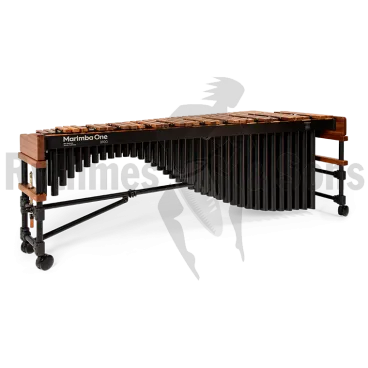
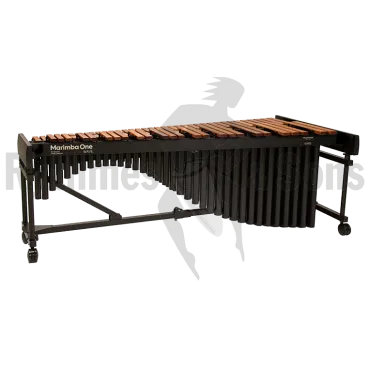
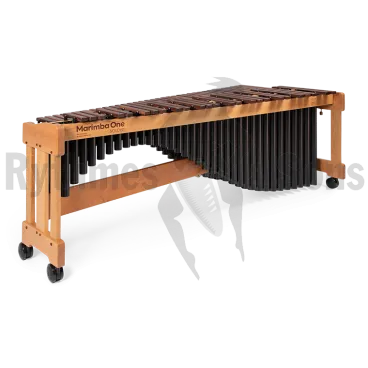
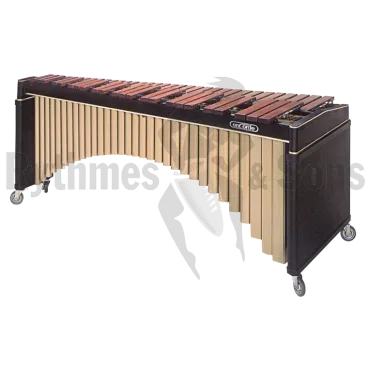
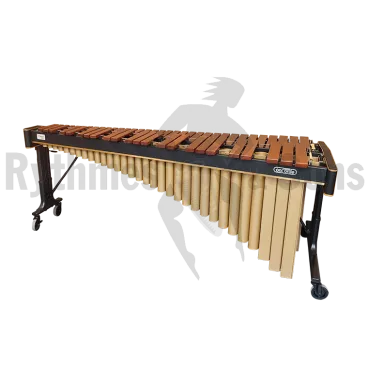
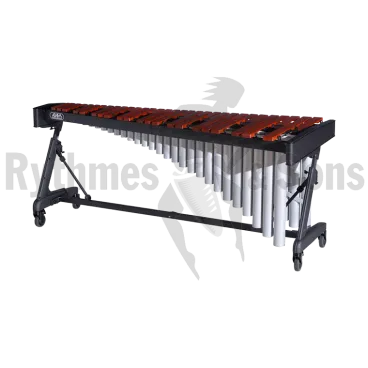
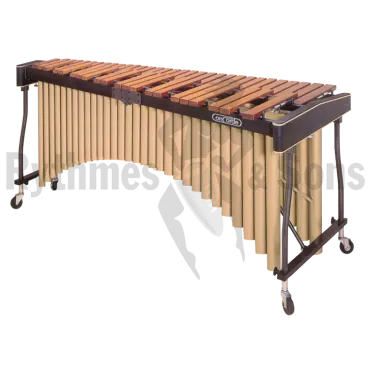
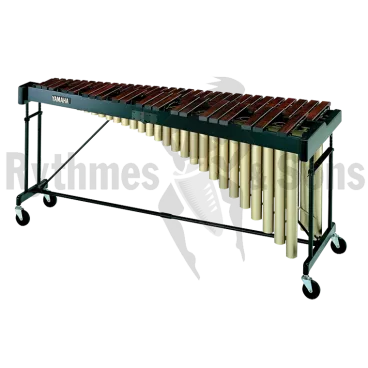
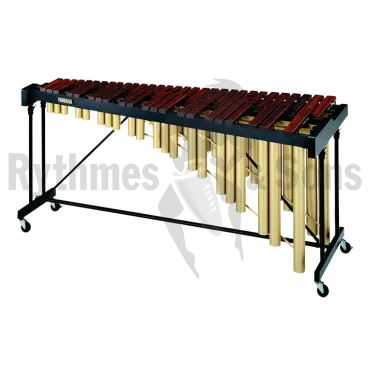
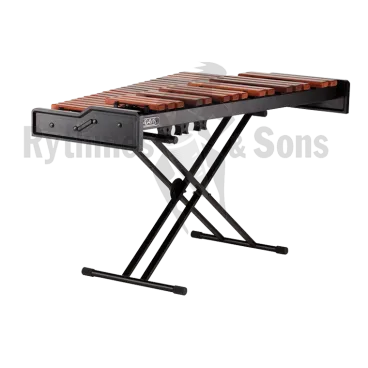
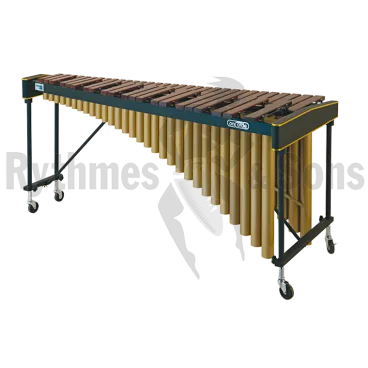
CONCORDE M8001 GA 4 octaves 1/2 Marimba
Ref. MAR 45CO8001G

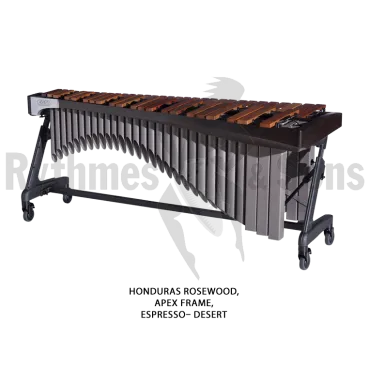
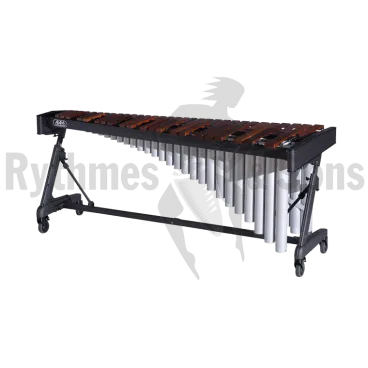
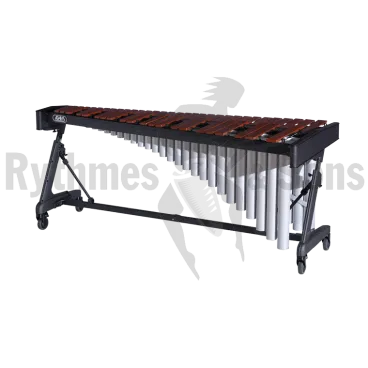
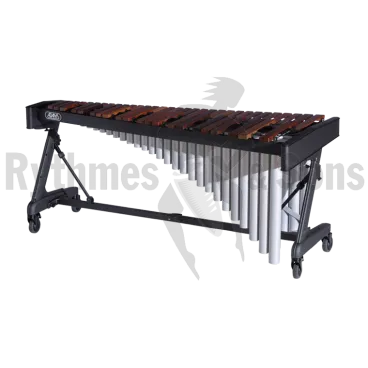
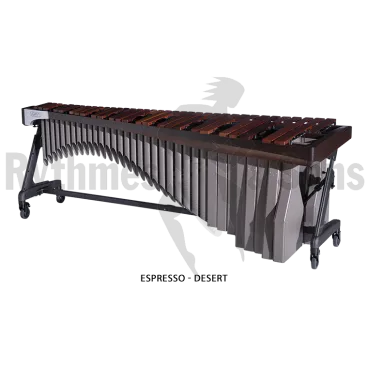
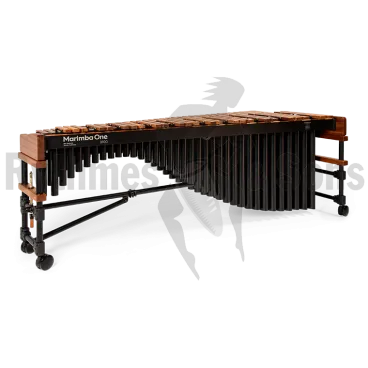
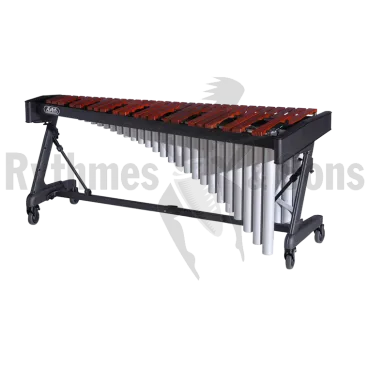
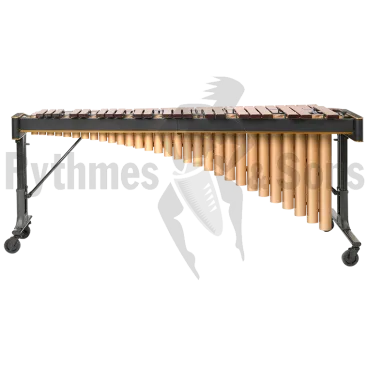
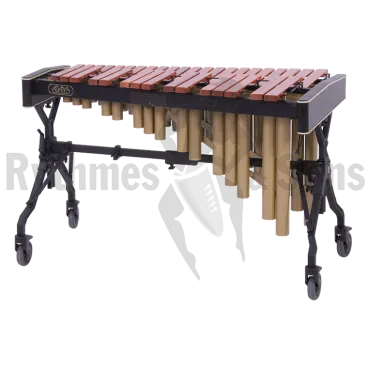
ADAMS MSHA43 4 octaves 1/3 Solist Marimba
Ref. MAR 43ADMSHA
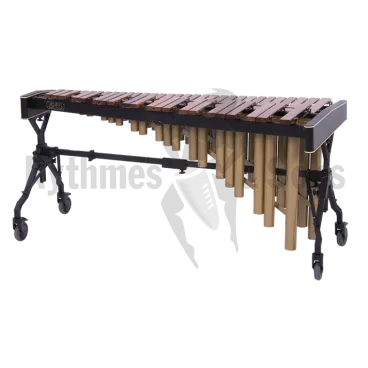
End of series products
New arrivals to discover
Explore our latest selection of percussion instruments, carefully chosen from leading brands to meet the demands of today’s musicians and orchestras.
Do you have questions?
A question, a project?
Let's talk.
Do you have a specific request, need technical advice or a personalized quote?
Our team of experts is here to answer your questions, guide you in your choices and support you at every stage of your project.

The marimba is a percussion instrument whose history is closely linked to that of xylophones from Africa (first trace: Mali, 13th century). These instruments spread to Latin America during the colonial era. The xylophones brought by African slaves evolved within Latin culture to become the ancestors of modern marimbas.
In 1910, Americans Deagan & Leedy modified the Latin American marimba to adapt it to the needs of North American and European symphony orchestras. The marimba gained recognition in orchestras in 1947, thanks to Darius MILHAUD and his *Concerto for Marimba and Vibraphone*. Its use expanded and became more widespread during the second half of the 20th century.
The marimba is a percussion instrument composed of several essential elements:
The Keyboard
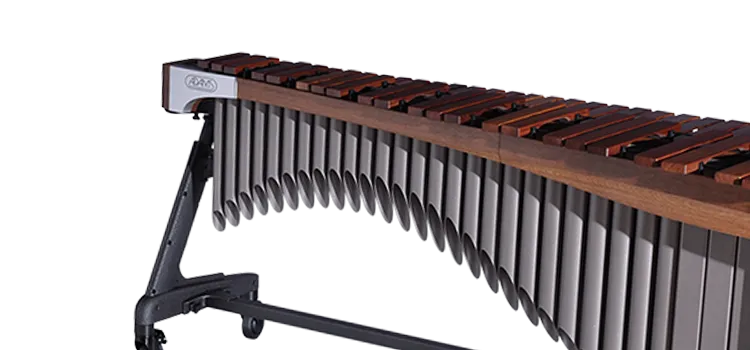
The core component of the marimba, the keyboard, consists of a set of wooden bars arranged on two levels. The interval between two bars is either a whole tone or a semitone. The accidentals (equivalent to the black keys on a piano) are positioned on a slightly elevated plane compared to the natural notes (white keys).
They are made from high-quality wood, such as African padauk or Honduran rosewood, or from composite materials as modern alternatives. The length of the bars decreases with pitch: the higher the note, the shorter the bar.
The marimbas range typically extends from 4 to 5 octaves (C3 to C7 in Anglo-Saxon notation), although some student models offer a reduced range of 3 octaves.
The Resonators
Located beneath the bars, the resonators are vertically arranged metal tubes. These tubes amplify the sound produced by the keyboard. Their shape and length vary depending on the brand and model.
The Frame
The frame is the structure that supports the keyboard and resonators. It can be made of wood or metal and may have an adjustable or fixed height. The marimba is played by a marimbist standing up. The musician typically uses one or two pairs of mallets, though some marimbists have developed techniques allowing them to play with six mallets simultaneously.
Playing Techniques and Sound
The marimba produces a soft, warm, and harmonious sound, with a lower pitch than the xylophone.
There are different techniques for holding the mallets. The three most widely used methods worldwide are:
- The traditional crossed grip or "Cross"
- The Burton grip (created by vibraphonist Gary BURTON)
- The Stevens grip (developed by marimbist Leigh Howard STEVENS, also known as the "Musser-Stevens grip")
Rythmes & Sons offers a selection of marimbas from the most renowned brands on the market, such as Adams, Concorde, Marimba One, Musser, and Yamaha.
To ensure optimal protection for your instruments, we also offer carrying bags, transport cases, and flight cases, whether for storage or travel.
Rythmes & Sons specializes in the repair and maintenance of marimbas. We work on all types of instruments, regardless of their brand or age. With our workshop and extensive stock of spare parts, we guarantee custom repairs, fast service, and optimal quality. Contact us today for a diagnosis or a free quote!
Need advice or a quote? Feel free to contact us, our sales team will be happy to assist you!
© 2025 Rythmes & sons
